How to Stop Flipping Wrists at Impact – Easy Diagnosis and Fix

Most golfers don’t realize they flip the club until they watch a slow-motion video of their swing. Flipping a golf club at impact is all about trying to square the clubface.
Interestingly, flipping isn’t necessarily a bad instinct; it’s an athletic one.
Just because you flip doesn’t mean you are a poor golfer. The problem becomes what CAUSES you to flip. If we can get rid of this cause, you can keep your wrist from flipping at impact and gain power and consistency.
I’ll show you why you flip your wrists and how you can work on fixing this problem for good.
How To Stop Flipping Wrists at Impact? (Quick Answer)
Golfers flip their wrists at impact mainly to square up the clubface. If you want to stop flipping, your clubface must be square before reaching the impact position. Changes to your setup, grip, and positioning at the top of the backswing can all help you to stop flipping your wrists.
Contents
What is Flipping Wrists in Golf Swing?
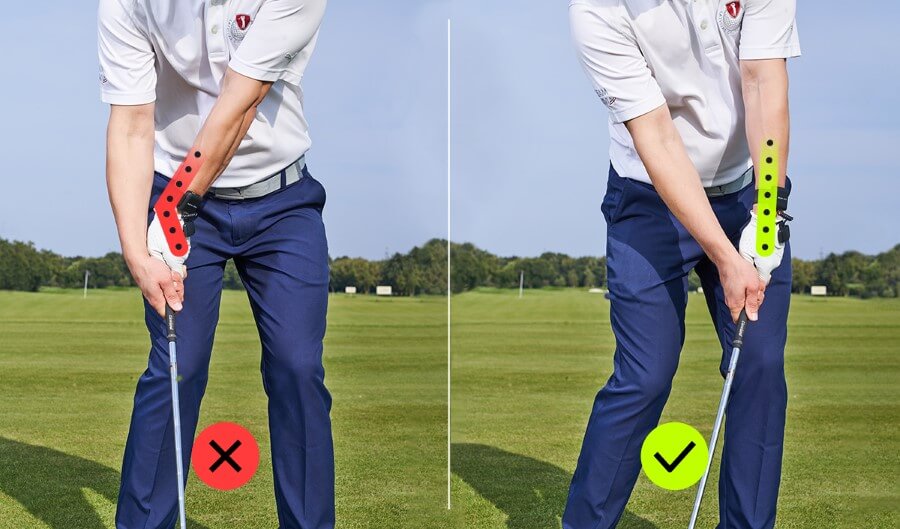
Flipping the wrists in the golf swing is when you quickly extend the lead wrist in order to turn the clubface and square the club. Some professionals call a flip the incorrect cupping of the wrists.
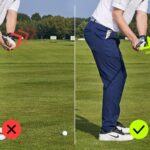
What this feels like for a golfer is that the left wrist (right-handed player) will be pointed up to the sky at impact. The right hand will be pointed more toward the ground.
You may feel as though you are sliding the club under the ball in an attempt to flip the golf club under the ball. Many players fall into this habit around the chipping green. However, it is more of an issue in a full swing, especially on iron and wedge shots.

Take control of your golf game by learning wrist mechanics with our FREE online resource.
What Causes Flipping in the Golf Swing?
Until you understand why you are flipping your wrists, it’s very hard to come up with a solution.
Here are the top causes for flipping; when reading through them, you should have a pretty good idea as to which one is impacting your game.
Rushing the Swing
A flip can happen if you are moving through impact too quickly and you run out of time to release and square up the club. Don’t get the wrong idea here; acceleration through the golf ball is a great thing.
It’s very important to swing through the ball with speed; the problem becomes when things are out of sequence.
You will likely flip if you quickly throw your hands and arms at the ball. Golfers that incorporate their body into the swing a bit more have an easier time avoiding the flip at impact.
Poor Grip
A poor grip can set you up for a flip.
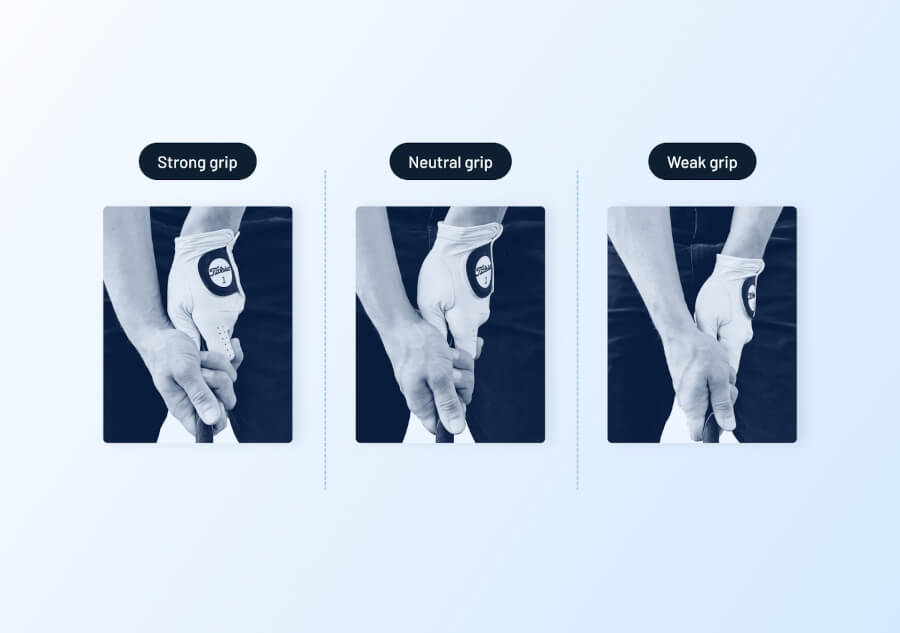
Most of the time, we see issues with golfers that have too much extension at setup. In other words, the grip that you choose (usually something that is too weak), creates a lead wrist extension that is difficult to recover from.
I have also found that golfers with too much right-hand movement in the golf swing struggle with flipping wrists at impact. Make sure the hands are connected and working together in order to avoid the flip.
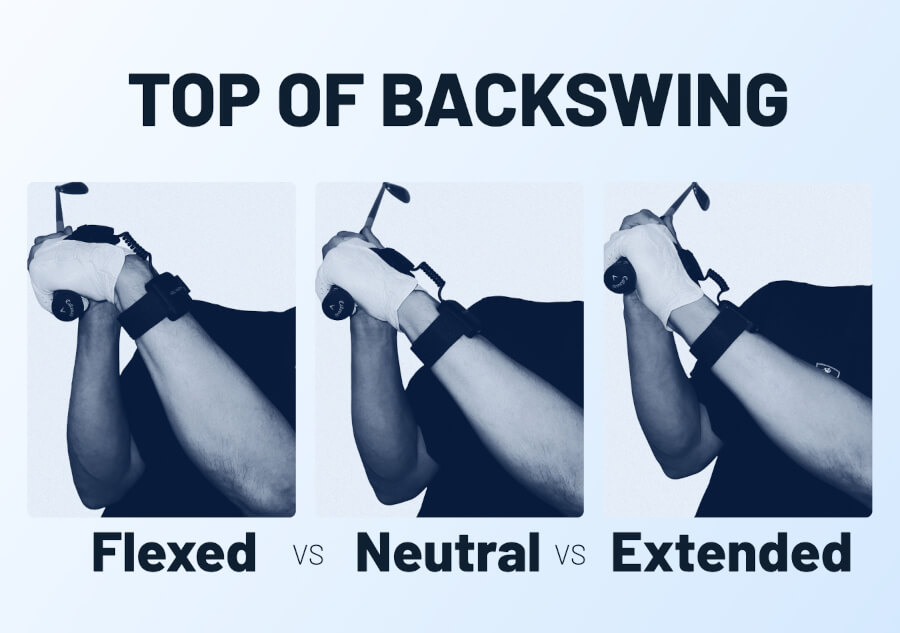
Too Much Extension at the Top
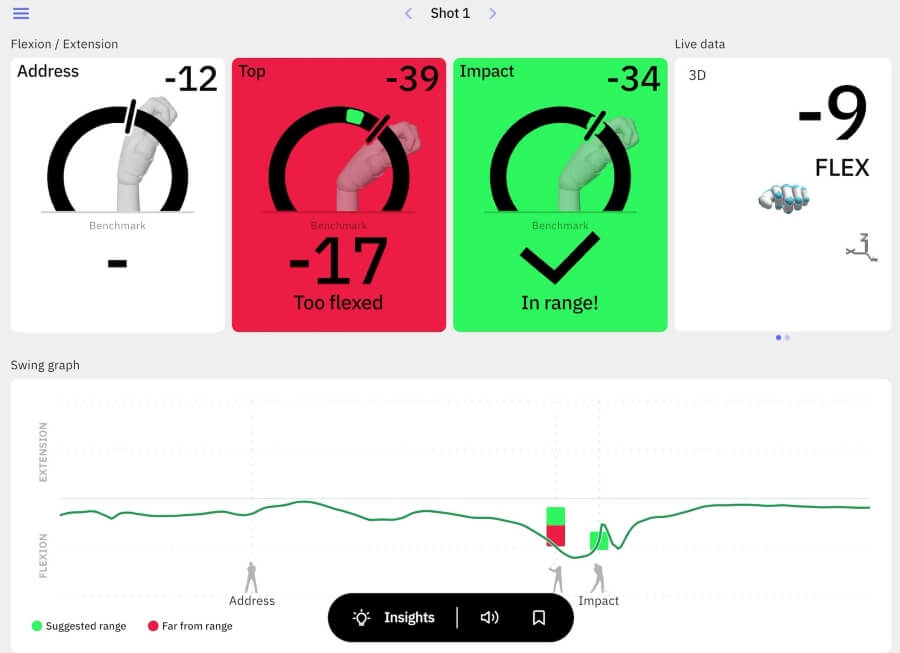
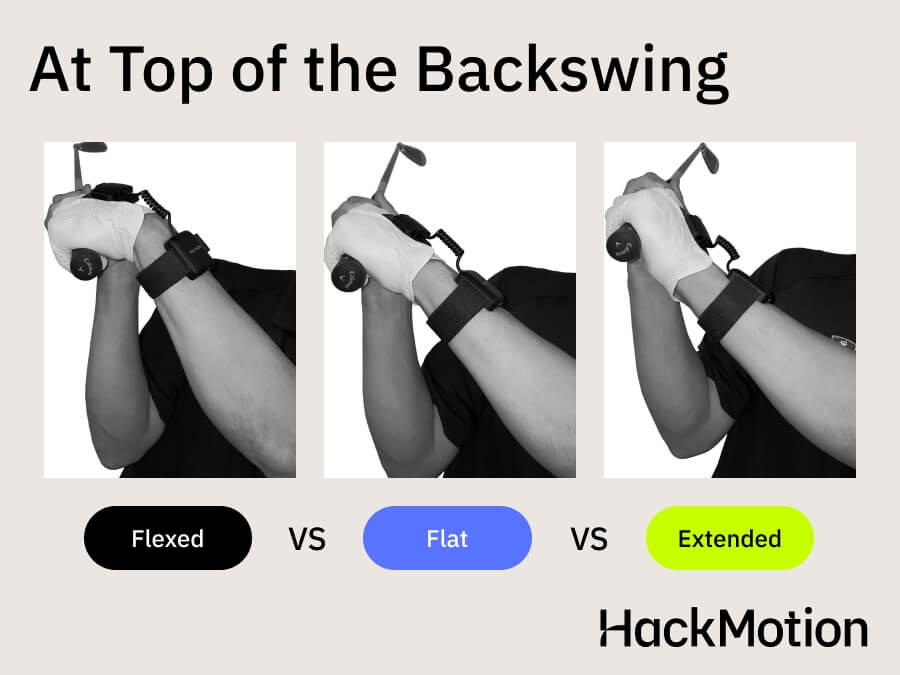
There are three places in the golf swing that you must check on your lead wrist extension; setup, top of the backswing, and impact.
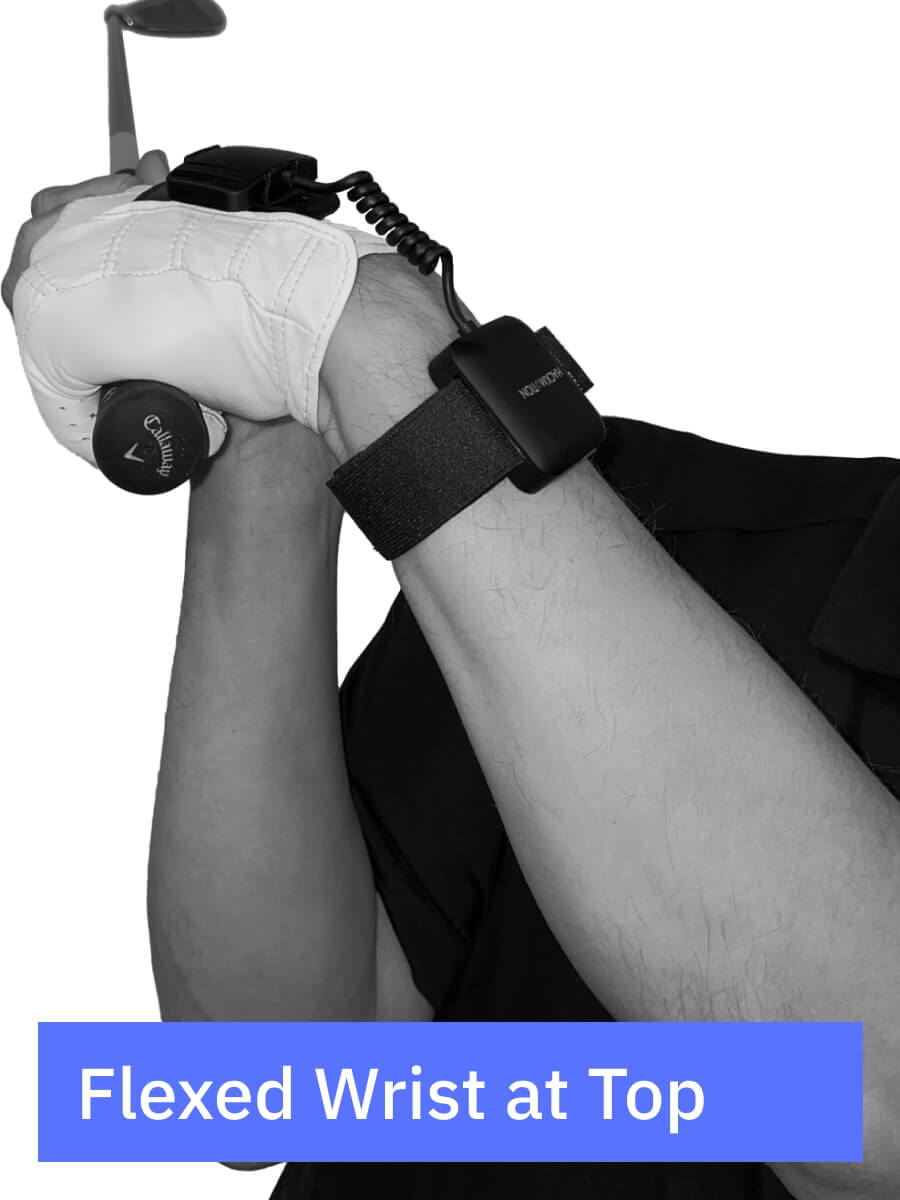
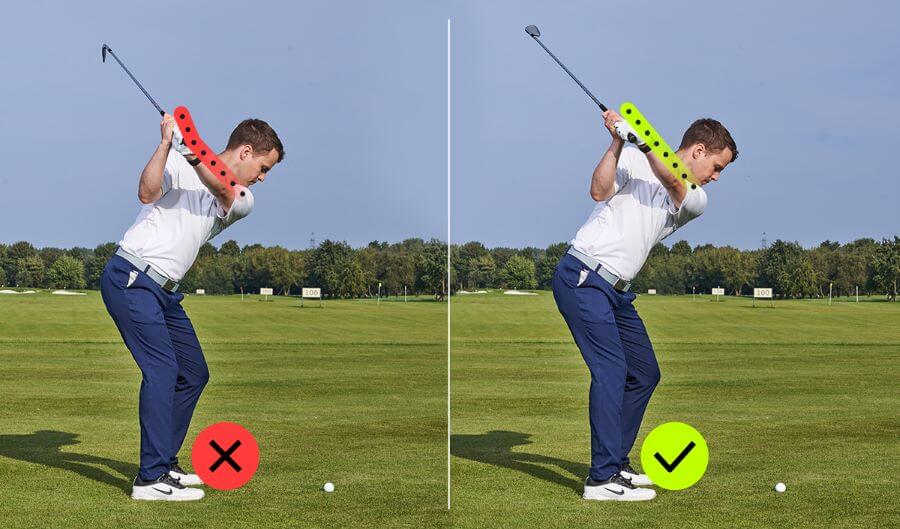
If you have too much extension at the top of your golf swing, it typically means your clubface is open. With an open clubface at the top, you have a limited amount of time to get it to the ball and square it up.
Decreasing the amount of extension you create from setup to the top of the backswing will help give you less work to do at impact.
Body Firing at the Ball
I start my downswings with a little turn of my lower body. This move feels the most natural to me and makes it easier to get power and consistency. However, if I fire too fast and forget about the arms, my wrists often have to flip to square the clubface up.
The bottom line here, moving your body through impact is incredibly important, but forgetting about the arms, wrists, and hands, will leave you having to flip at impact.
Over the Top Path
The golf club coming over the top creates issues with the clubface angle. Players that can feel this in their swing will often flip their wrists to square things up.
An over-the-top swing path can happen for several reasons, but one of the most common is an incorrect wrist position. The flatter you can get your wrist in the backswing, the easier it is to keep the golf club on the proper plane.
I also recommend looking at your initial takeaway; if your hands and arms lift the club straight up, you may have difficulty getting off that over-the-top path during the swing.

Body Stalls Before Getting to the Ball
I know this may seem confusing because one of the causes for flipping wrists was the body firing at the ball, and now I’m telling you that the body stalling before getting to the ball is also a cause for flipping wrists.
Now you can see why timing in golf is so important!
The body does need to turn through the ball, and when it leads the way for the hands and arms, that is completely acceptable. The key here is ensuring that you aren’t stopping and creating a situation where your wrists need to flip instead of releasing as they would if your body kept moving.
Body motion like this is easy to see on video.
Wrong Concept of What Impact Looks Like
Do you know what impact should look like on an iron or wedge shot? I can’t tell you how often I’ve heard golfers say, “You just have to get under the ball.”
Please stop saying this.
To get a golf ball up in the air, you have to hit down and through it causing it to compress and lift off the ground. If you think lifting the ball in the air will help you hit a perfect shot, you may want to reconsider.
Watch professional golfers to see what they do at impact and how their golf game is positively impacted.
Weight Hanging Back
Weight transfer onto the left side (right handed player) through impact is very important for squaring up the clubface. If your weight hangs back and the club is trying to move through impact, chances are you had to do a last-minute flip of the wrists.
Working on weight transfer will improve your wrist action in the golf swing and increase power and accuracy.
How Can You Fix a Flip?
Now that you understand what causes flipping in golf, let’s take a better look at how you can fix this. The process you choose to fix will be related to the cause.
Move the Ball Position

A golf ball played too far back in your stance can make it so that you run out of time on your downswing. As you swing through the ball, you have no choice but to flip your wrists to square up the clubface.
Moving the ball a little closer to your lead foot can give you that extra second to strike the ball with a square face.
Position the Handle Forward Slightly
Another setup-related fix is to make sure that your hands are in line with or slightly forward of the golf ball. Get them in line with your lead leg.
When the hand position moves behind the ball, returning to the proper impact position is hard.
Move the handle forward with a slight forward press, and then work on getting back to this same position at impact.
Feel the Pressure on the Lead Foot at Impact
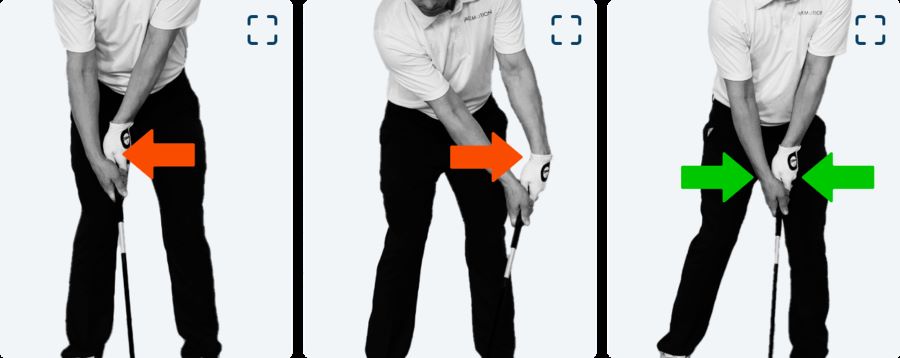
Weight transfer in golf is essential. Make sure that as you move from the top of your golf swing into the impact position, you feel the weight transfer to your left side. At impact, more weight should be on the left foot than the right foot.
This moving of the weight will help you square the clubface and hit down and through the ball.
The best way to feel this is as if your lead side of your body (left for the right-handed player) is up against a wall. Rotating and firing through that firm lead side makes it less likely that you will flip.
Find the Right Swing Path
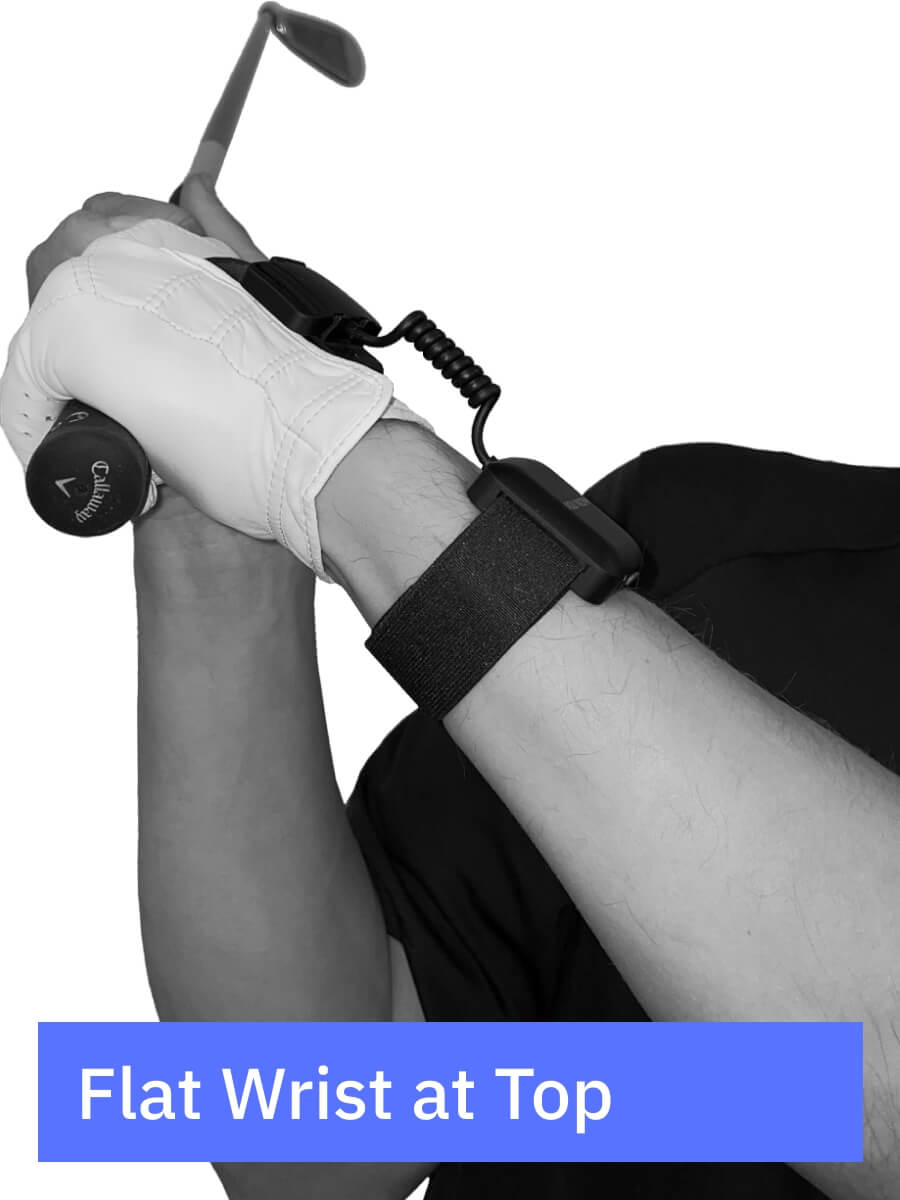
The over-the-top swing path is a significant reason for flipping and one that many golfers struggle with. By ensuring your wrist is flat at the top of the backswing, the swing path is much easier to find and then recreate.
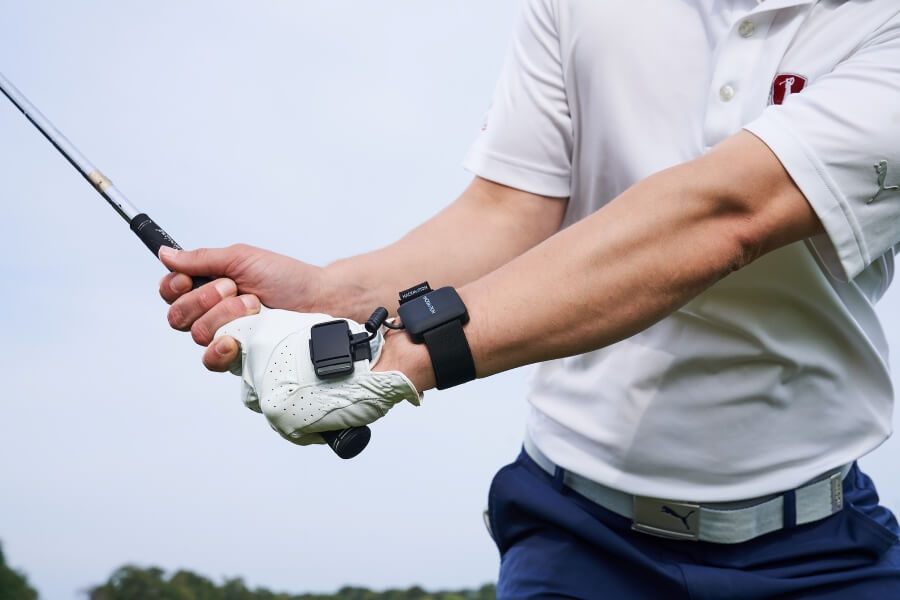
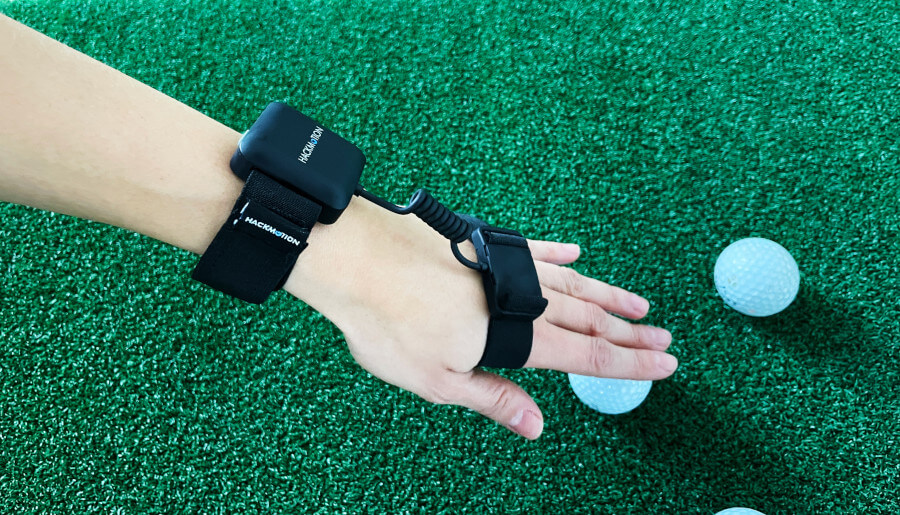
Using golf alignment sticks to understand the feeling of dropping the arms in and allowing you to get on the proper path tends to be a great solution, in addition to wearing your HackMotion as you practice.
Create More Flexion at the Top of Your Swing
Lead wrist extension at the top of a golf swing can lead to an open clubface, making it difficult not to flip the wrists at impact. One of the things you can do here is to create more flexion by decreasing the amount of extension at the top.
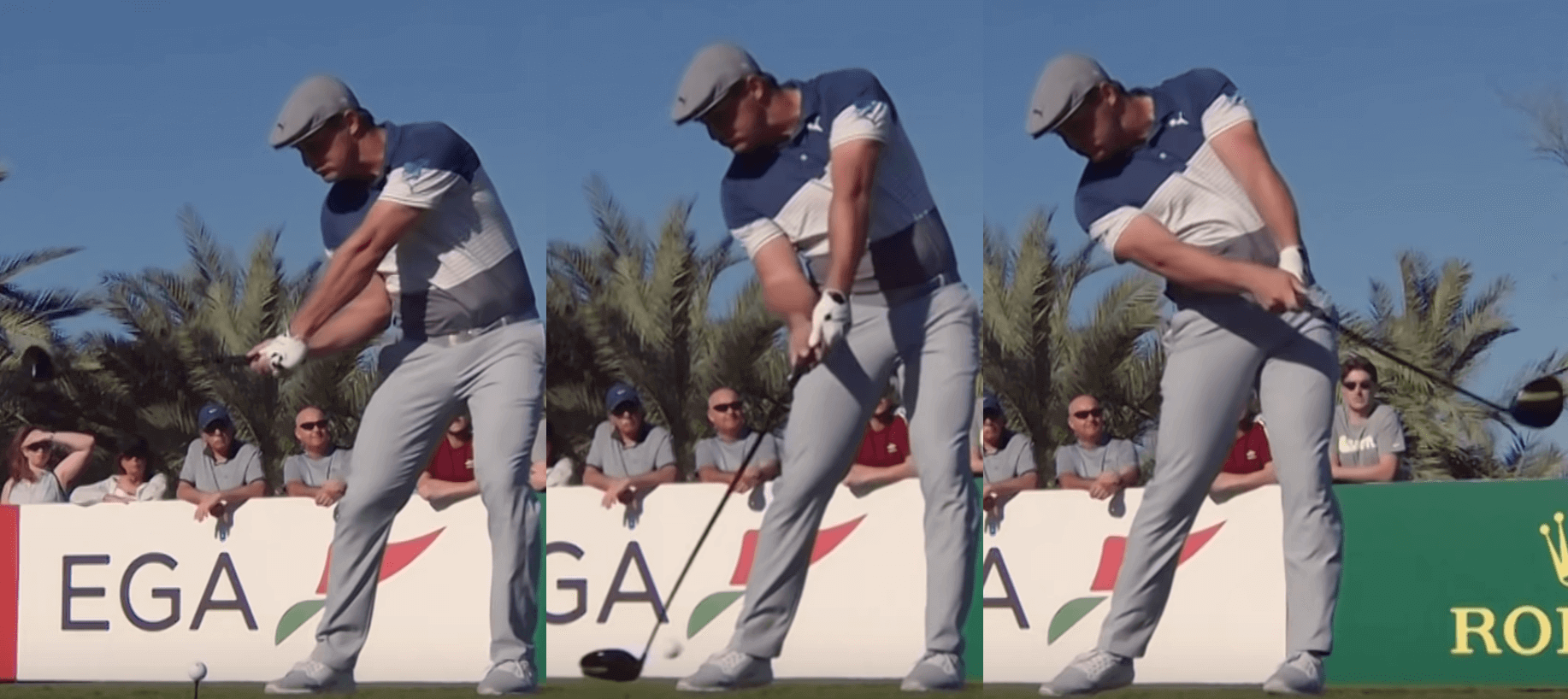
A player that does an incredible job of this is Dustin Johnson. At the top of his backswing, there is tremendous flexion in the lead wrist.
From this position, it becomes much easier for Dustin to swing through with this body and forget about what the hands are doing.
The easiest way for me to feel this is to wear a golf glove and think about the velcro patch on the glove, looking up to the sky at the top of the swing. That same velcro patch will be pointing down or away with an extended wrist. Getting to a flexed position like Dustin Johnson’s is difficult and requires flexibility, but even if you can move slightly away from extension, it will save you from flipping the club on the course.
Match Flexion and Rotation
As great as it is to have your wrist in a flexed position at impact, you will still need to rotate your body through impact to experience the benefits. If a golfer like Dustin Johnson were to stop rotating his body and just allow the flexed lead wrist to take over, the result would be that his golf shots would take him well left of the target.
Rotation through impact is very important when the club is in the right position. To help with rotation, you can try an exaggeration drill.
- For the backswing, try and get your trail hip away from the ball.
- On the downswing, try to get your lead hip as far away from the ball as possible.
You can do this drill to get the feeling of what rotation should be like once your hands are in the right place. You will immediately notice that the speed through the golf ball will increase considerably when flipping doesn’t need to happen at impact.
You can try an exaggeration drill to get a feel for how your hips should rotate.
Perfect the Grip
Lastly, make sure that your grip is in a neutral position and not too palmy. Try to keep the palm of the hand away from the grip; when it makes too much contact with the grip, it’s tough to control the action of the non-lead grip.
Strong grips can be helpful for fixing slices and improving wrist flipping. However, you want to avoid the grip getting too strong. Slight grip changes make big differences.
- Check that the V shape formed between your thumb and index finger of your lead hand is pointing towards your trail shoulder.
- Always make sure the golf grip is in the fingers of the left hand.
- Grip the club about a half inch down from the butt end to give you more control of the clubhead through impact.
Use HackMotion to Stop Flipping Wrists
Now that you have some of the reasoning behind a golf flip and ways you can fix it, I’ll show you my favorite way to stop flipping and why HackMotion is such a great tool for this particular problem.
Use HackMotion to Collect Data
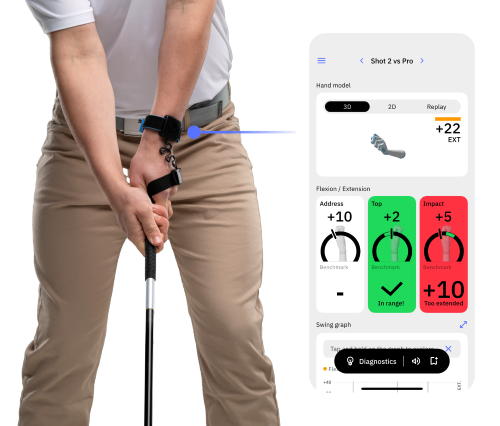
If you are flipping your wrists at impact, the HackMotion will find it. The first step in this process is to look at your HackMotion data and determine what type of issues are causing the wrist flip. It will be one of two things.
- Too much extension at the start of the downswing.
- Enough flexion in the downswing, but flipping the ball before impact.
Too Much Extension in the Downswing
If your golf club is open at the top of your backswing, you are on your way towards hitting a flip. This open clubface tends to stay open until the golf ball, where you may try and flip to save the shot.
Too much extension at the top of the backswing, during that transition leads to pushes, slices, and the occasional straight shot.
You can use the HackMotion Motorcycle Drill to learn how to transition properly into the downswing. In addition, be sure not to add any extension from setup to the top of the backswing.
Enough Flexion in the Downswing but Flipping the Ball Before Impact
The other mistake that leads to flipping is a golfer who has the proper extension in their downswing but still flip their wrists just before impact. The reason for this is a stalled body movement.
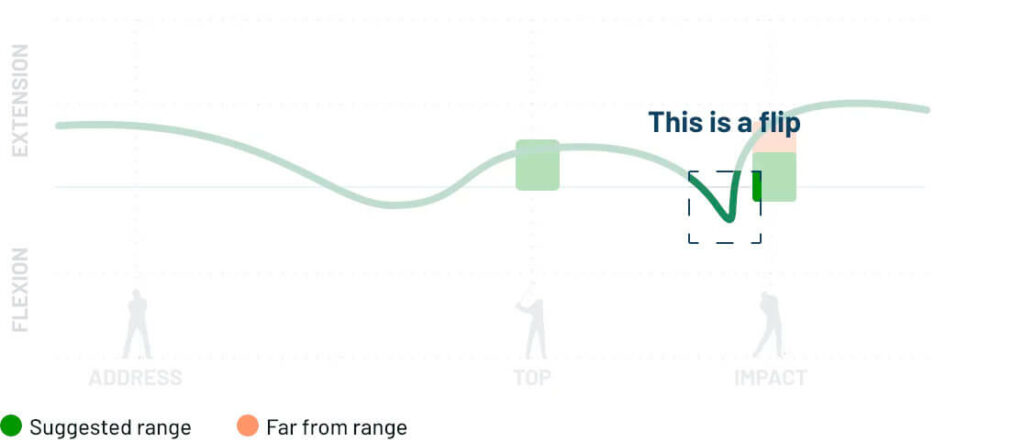
For this one, you will have to analyze your HackMotion data carefully and pay close attention to any spikes in the performance. Do you see sudden changes in extension or flexion just before impact?
That could be the flip.
To fix this, make sure you have a proper setup, are balanced, and are properly transferring your weight throughout your swing. The good news here is that if you can train your body to turn just a little, your clubface may already be square.
Set a Range
Once you see where your issues are, you can start fixing the positions.
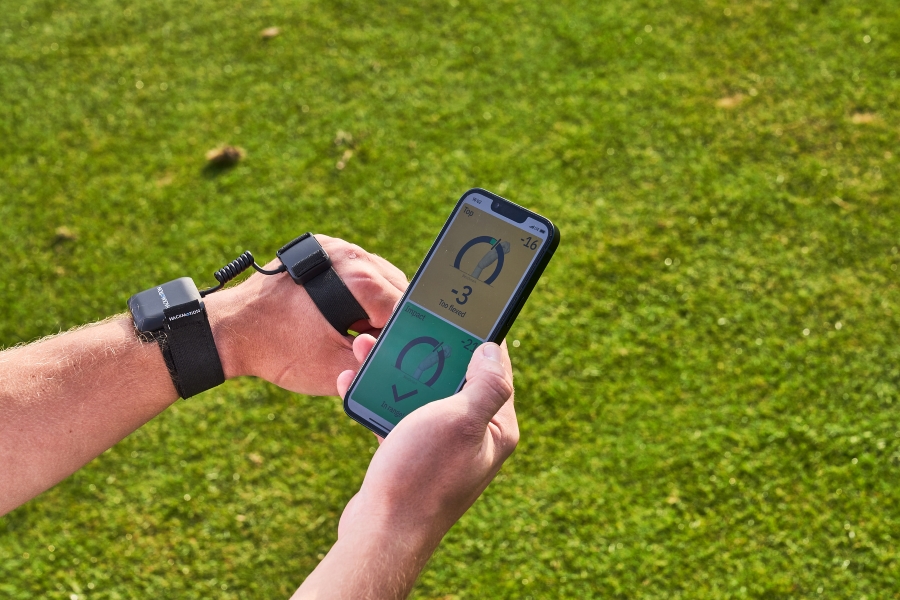

Use the HackMotion audio feedback feature to get a feel for what a proper position at the top of your backswing should be like.
The wrist must remain flat to slightly flexed. I recommend setting a large range at first but ensuring the HackMotion notifies you when the club is out of position.
For instance, try to drop the extension by 3-5 degrees at first and increase from there until you can get to a proper position. HackMotion helps you feel a swing change in real time, and once you get the feeling, it’s easy to repeat.
Practice and Perfect
Wear your HackMotion device for part of your practice session. Take a video of what your swing looks like when you are practicing with audio feedback. Compare this video to your original swing videos and see the difference.
Many players struggle to adjust and trust this new feeling in the golf swing. You will have difficulty timing and positioning for a bit, so use something like an 8 or 9 iron as you practice.
Check-in on Progress
Having a HackMotion with you is like having a swing coach with you at all times. Put your HackMotion device on occasionally to ensure you are still flexed at impact and the flipping problem is not sneaking back into the mix.
FAQs
Here are a few of the most commonly asked questions about flipping wrists in golf.
Should you turn your wrists in golf swing?
Wrists need to turn and rotate and even flex and extend throughout the golf swing. The key is to find the proper timing and positioning of your wrists at set up, at the top of the backswing, and at impact.
How do you not flip your wrists in golf?
To avoid flipping wrists in golf, you must ensure that your golf clubface is square going into impact. Golfers that flip have an open clubface, and the flip is a last-ditch effort to square up the club.
Does a cupped wrist cause a slice?
A cupped wrist can cause a slice, but it really depends on the positioning of a golfer’s body and wrists at the time of impact. Cupped wrists in golf are not nearly as powerful as flexed wrists, and the consistency of the position will cause higher dispersion rates.
Should I flip my wrists when I chip?
Wrist flipping in chipping is a bad idea. Instead, work on having a more flexed wrist through impact and hitting down and through your shots. This position will give you more spin, better control, and a preferred ball flight.
Final Thoughts
Now it’s time to get out there and work on improving your wrist position and stop flipping the wrists for good.
HackMotion will allow you endless hours of practice, knowing that you are working on the right things.
When the flip goes away, impact feels entirely different, making this learning curve well worth your time.