Fixing Wrist Angles to Fix Pressure Shift

“A golfers body movement will generally react to the club face orientation in the early downswing in a bid to get the club face to point at their intended target at impact and start the ball on their intended line.”
Ben Mason (Class AA PGA Teaching Professional)
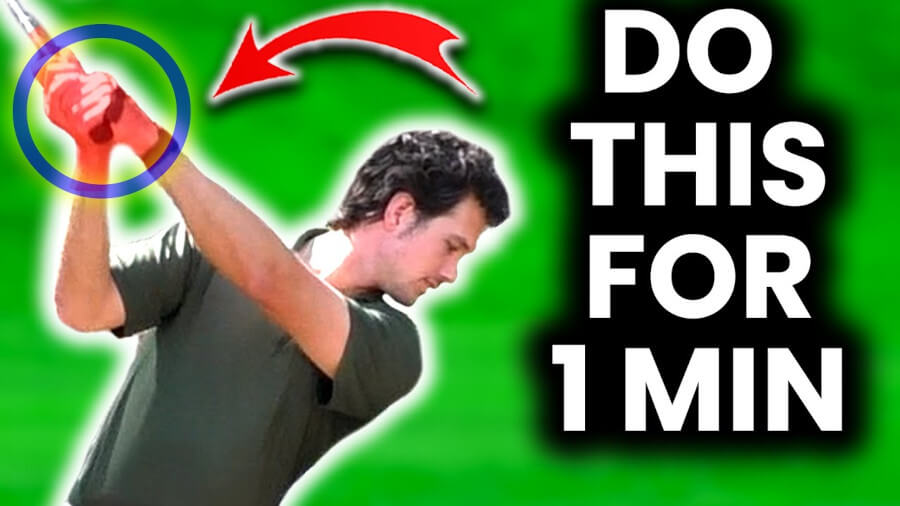
Watch the video below to learn how changing wrist extension (cupping) at the top helped Ben’s students to improve both pressure shift and ball flight.
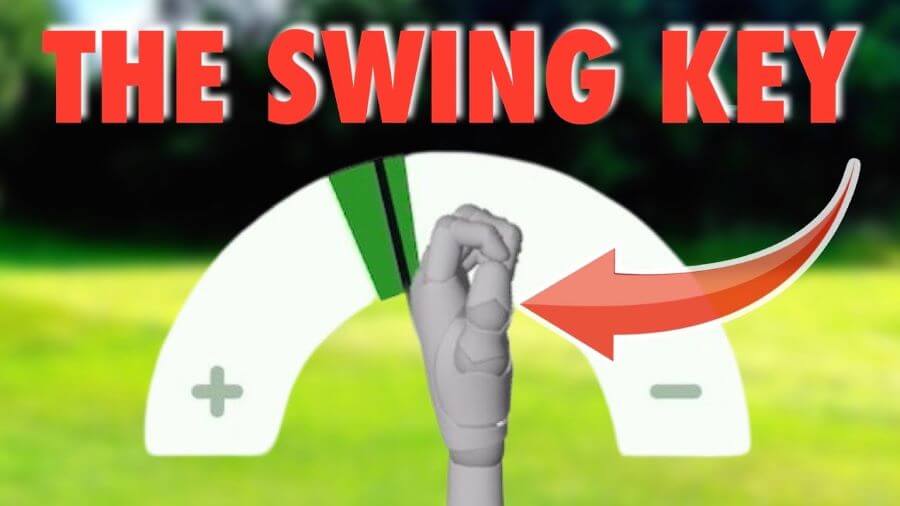
The terminology used: Flexion (-)/Extension (+) (green line) = Bowing/Cupping of the lead wrist
Take a look at the image below. Ben’s student has managed to change his extension (cupping) at the top from 60 degrees (image 1) to 32 degrees (image 2).
Reducing the extension of the lead wrist at the top of the backswing by 30° caused him to move pressure from his toe to his heel at impact (from 0% heel pressure in the before swing to 37% heel pressure in the after swing).
The pressure from lead toe to lead heel on the downswing is a move that is consistent with some of the most effective ball-strikers in golf.
Reducing the rate of wrist flexion by 50% caused the golfer to subconsciously rely on his body to square the club and better shift his pressure.
This is one example of how the body reacted to the clubface.
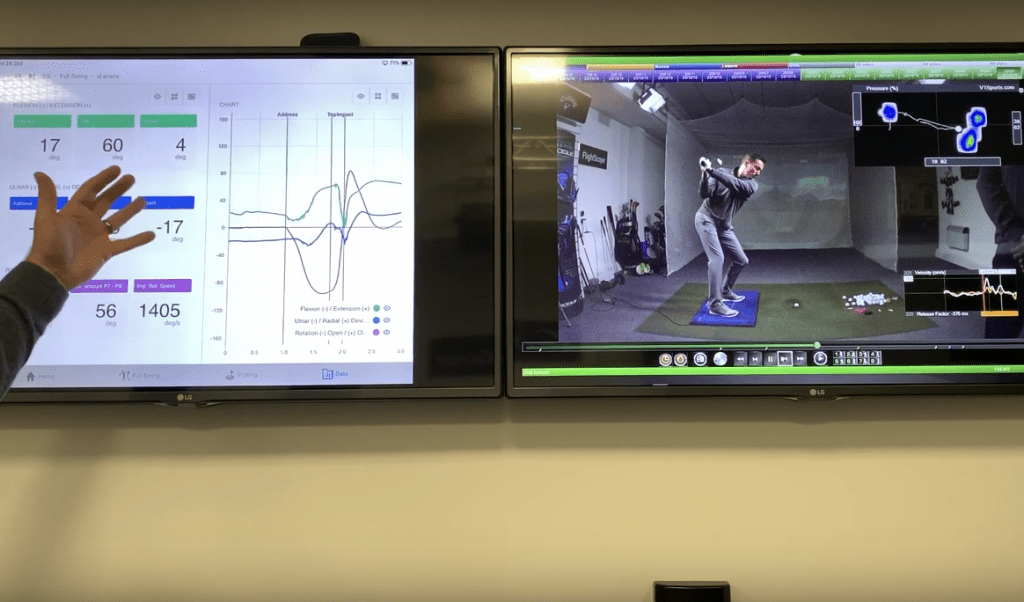
Image 1 – Before decreasing extension, the lead wrist is 60 degrees extended at the top (middle number in green box)
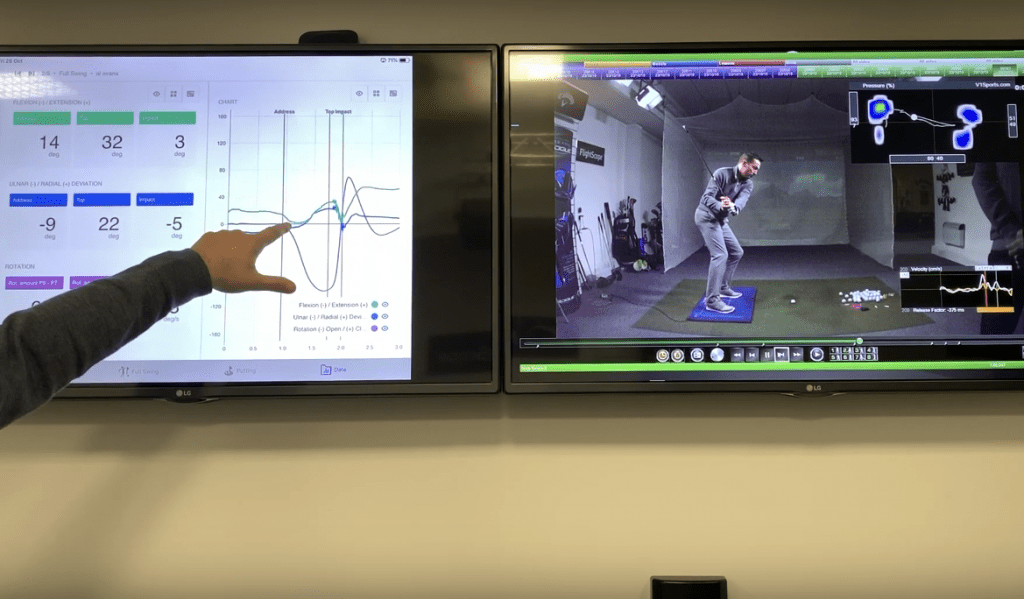
Image 2 – After decreasing extension, lead wrist is only 32 degrees extended at the top (middle number in green box)